Across 8 cities and 7 states, nine #BreakFreeFromPlastic Nigerian member organizations embarked on a nationwide plastic brand audit between 2018 to 2024, auditing 298,174 pieces of plastic waste, exposing the dominance of sachets, plastic bottles, and major multinational polluters such as Coca-Cola and PepsiCo in Nigeria’s plastic waste streams.
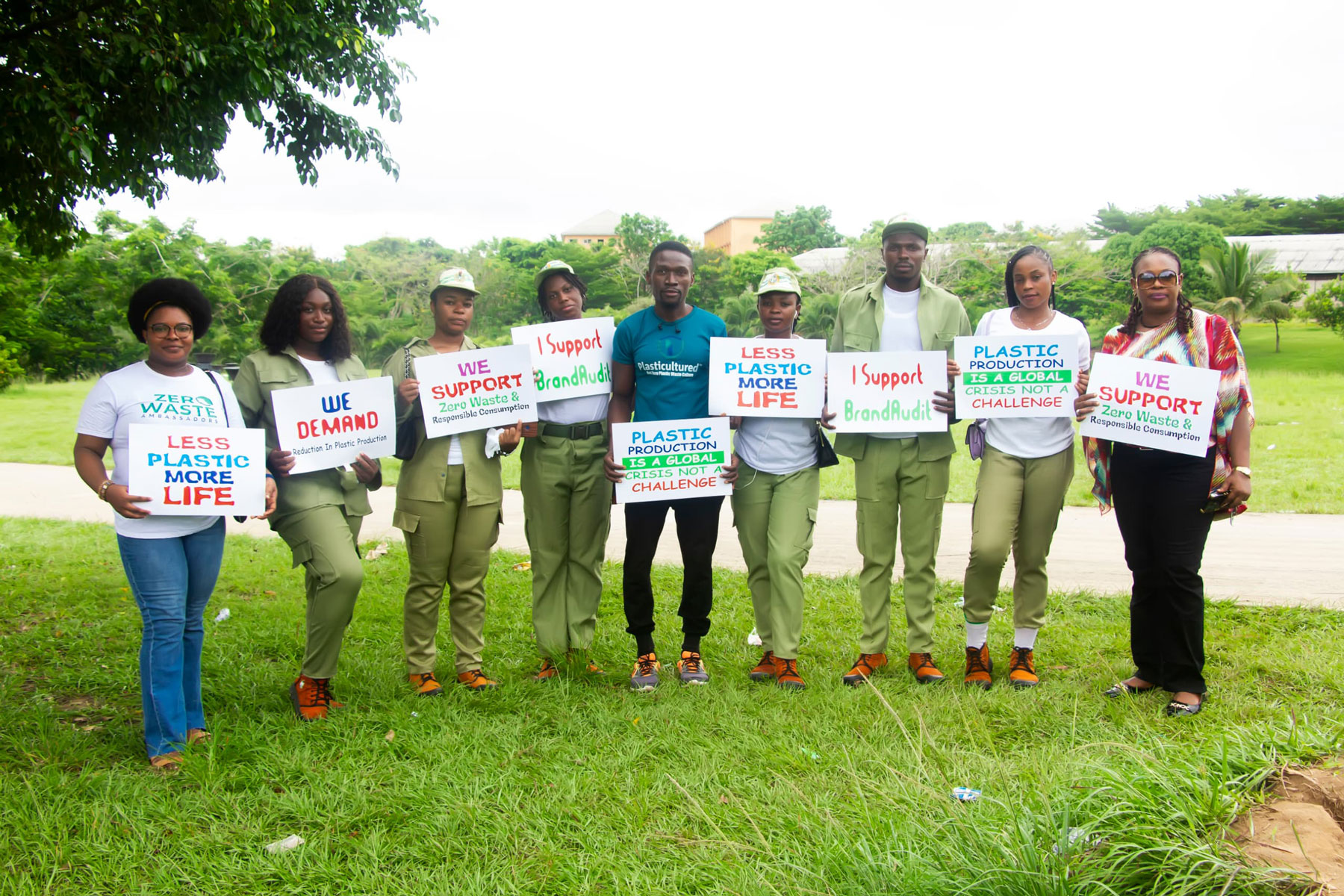
Between 2018 and 2024, Nigeria witnessed a growing wave of civic engagement and environmental advocacy focused on addressing the plastic pollution crisis. Recognising the urgent need for evidence-based action, a coalition of nine Nigerian organisations embarked on a nationwide plastic brand audit data collection campaign:
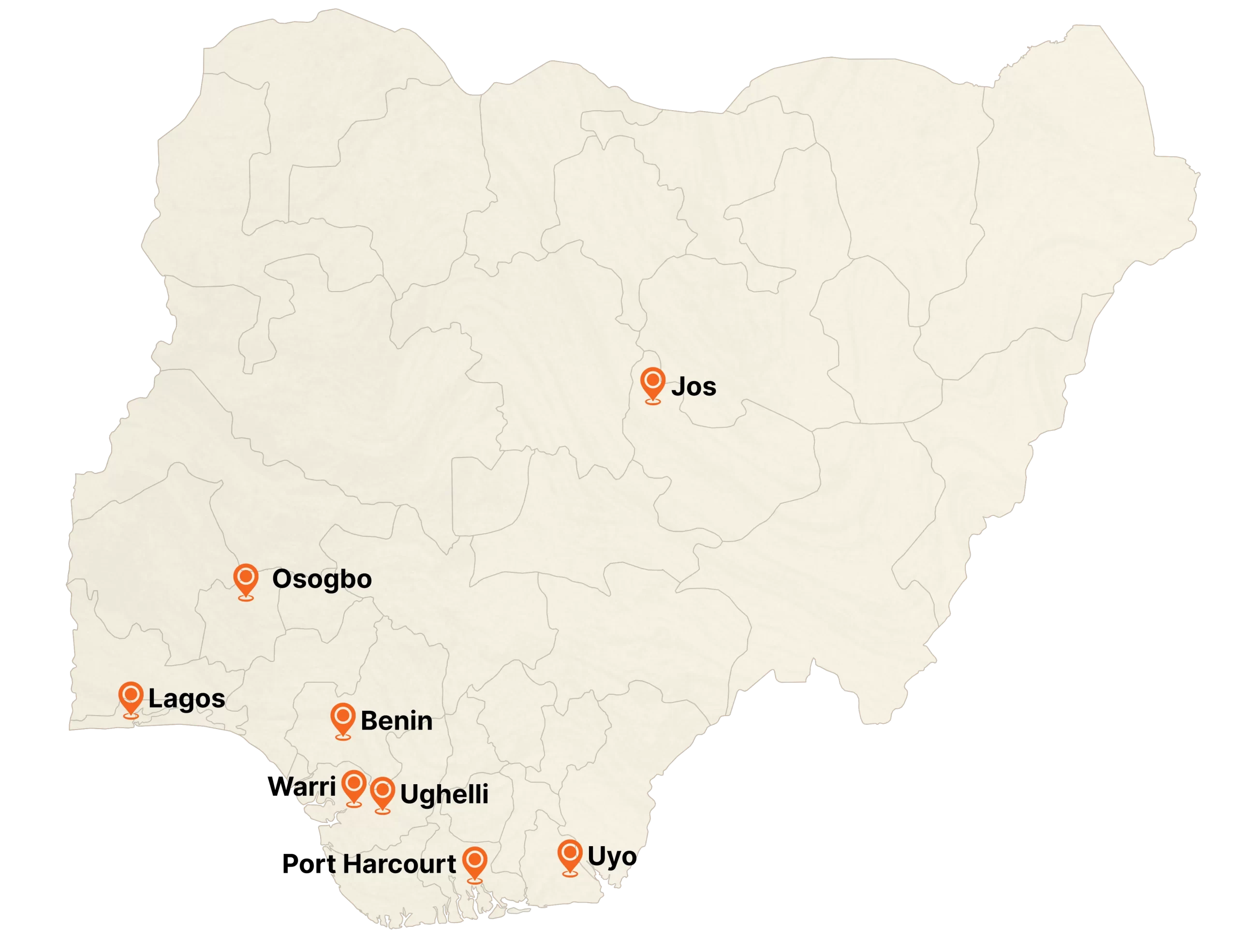
These audits spanned eight cities across seven Nigerian states, providing a comprehensive overview of the plastic waste landscape across diverse urban and regional settings. The cities are:
Through this participatory process, the audits have uncovered compelling insights into the most common plastic waste items, including the dominance of sachet packaging and plastic bottles, and have highlighted the disproportionate role of multinational corporations such as Coca-Cola and PepsiCo in Nigeria’s plastic waste streams.
The findings of this multi-year audit underline the scale and persistence of single-use plastic pollution, as well as its environmental, social, and health implications. They also serve as a clarion call to policymakers, corporations, and communities to work collaboratively toward Zero Waste practices and systemic change (GAIA, 2023).
To address the pressing issue of plastic pollution in Nigeria, particularly as highlighted by the GAIA/BFFP Nigerian members’ brand audit data collected between 2018 and 2024, members proposed the following recommendations targeting key stakeholders, which are comprehensively unpacked in the full report
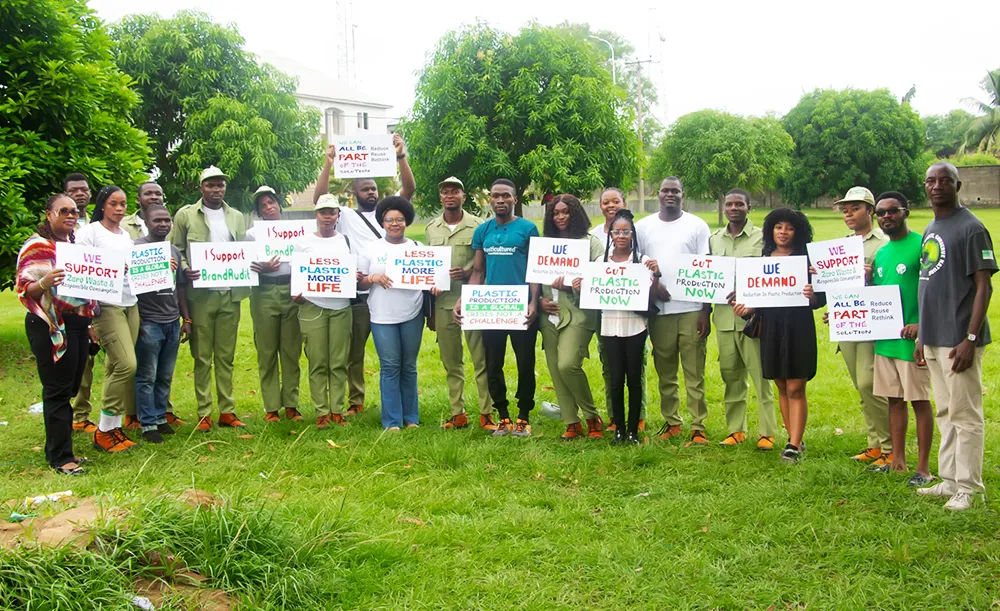
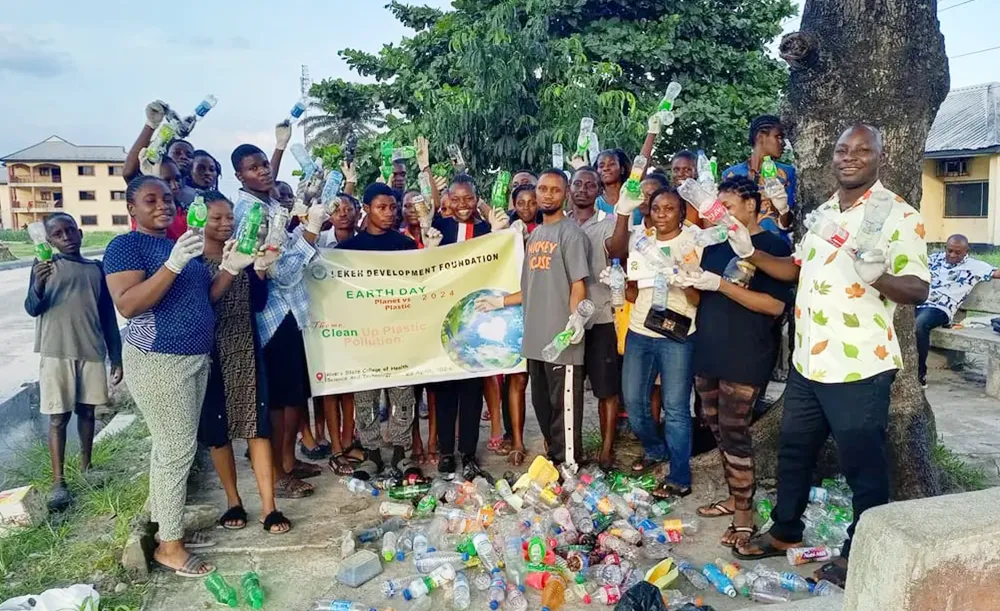
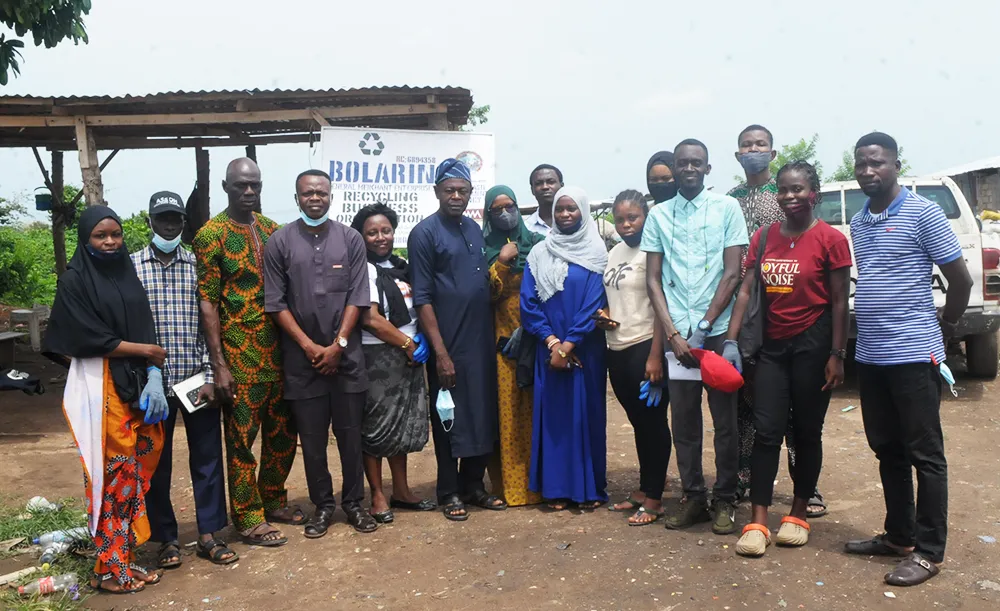
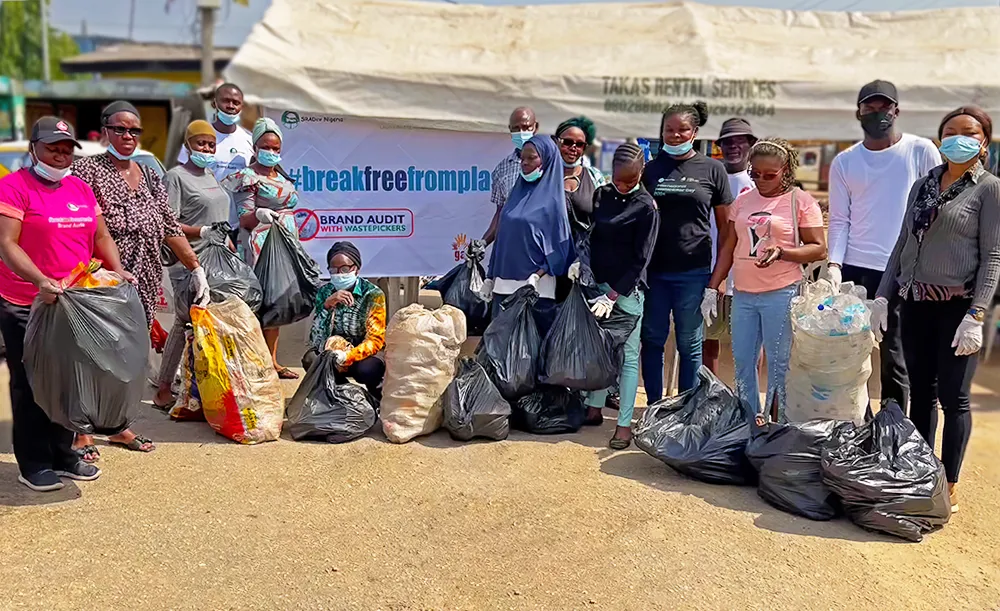
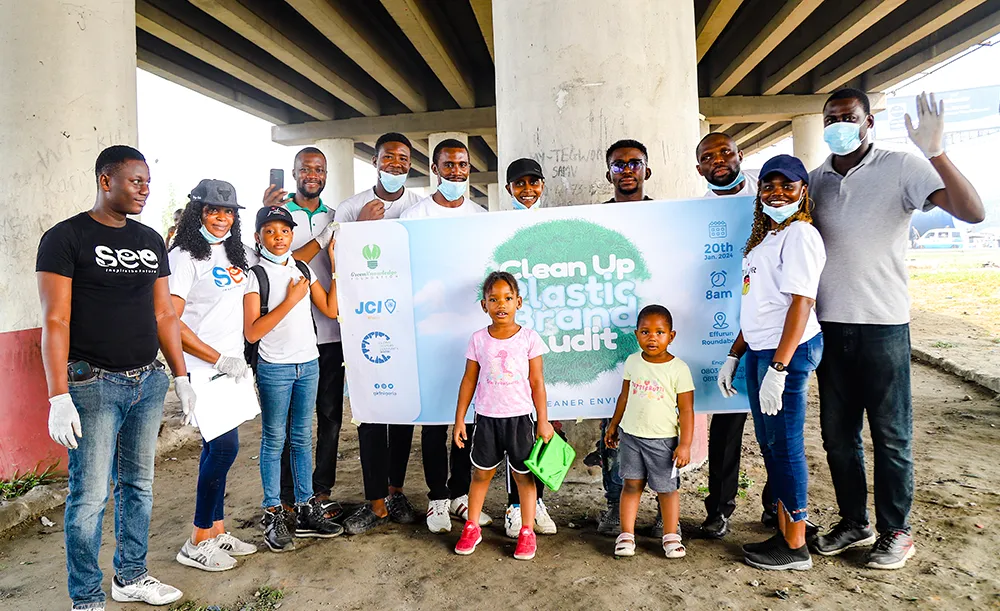
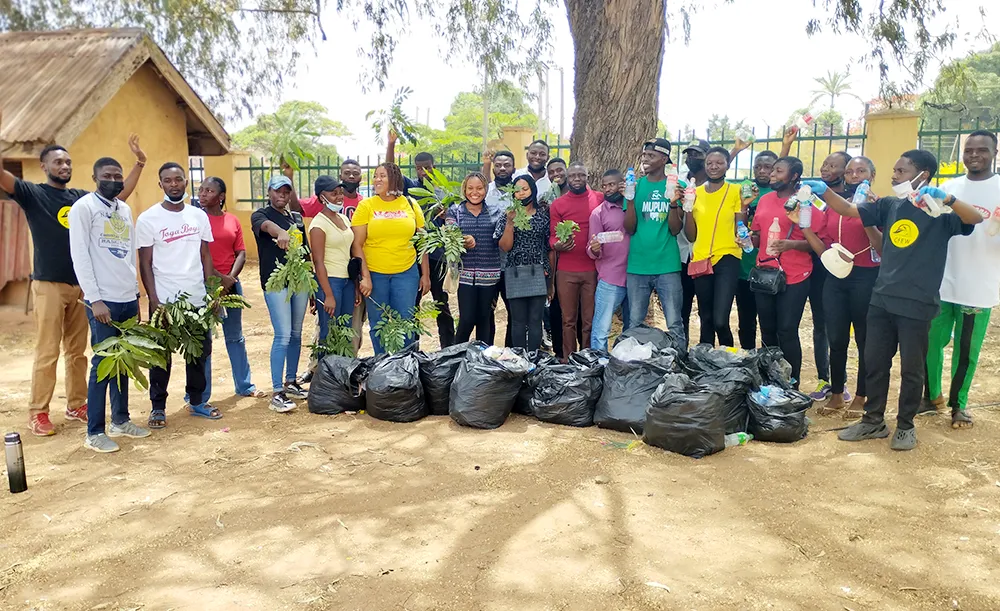
With over 298,000 pieces of plastic waste collected from eight cities across seven states, the findings speak volumes about a nationwide challenge driven by unchecked plastic production and the burden of avoidable & problematic single-use plastics—particularly sachets and plastic bottles.
Looking ahead, there is a pivotal opportunity on the horizon. The ongoing negotiations towards the world’s first Plastics Treaty mark a crucial moment for the global community to deliver a strong, legally binding, and ambitious treaty to end plastic pollution across its entire life cycle—from extraction to disposal.
For Nigeria and the rest of the world, this is a chance to push for real systems change that prioritises people, health, and the planet over corporate profits, and to examine options to scale and increase the adoption of reuse systems that reduce reliance on single-use packaging and other items.